Backyard Privacy Design: How to Block the View Without Planting or Building the Wrong Thing.
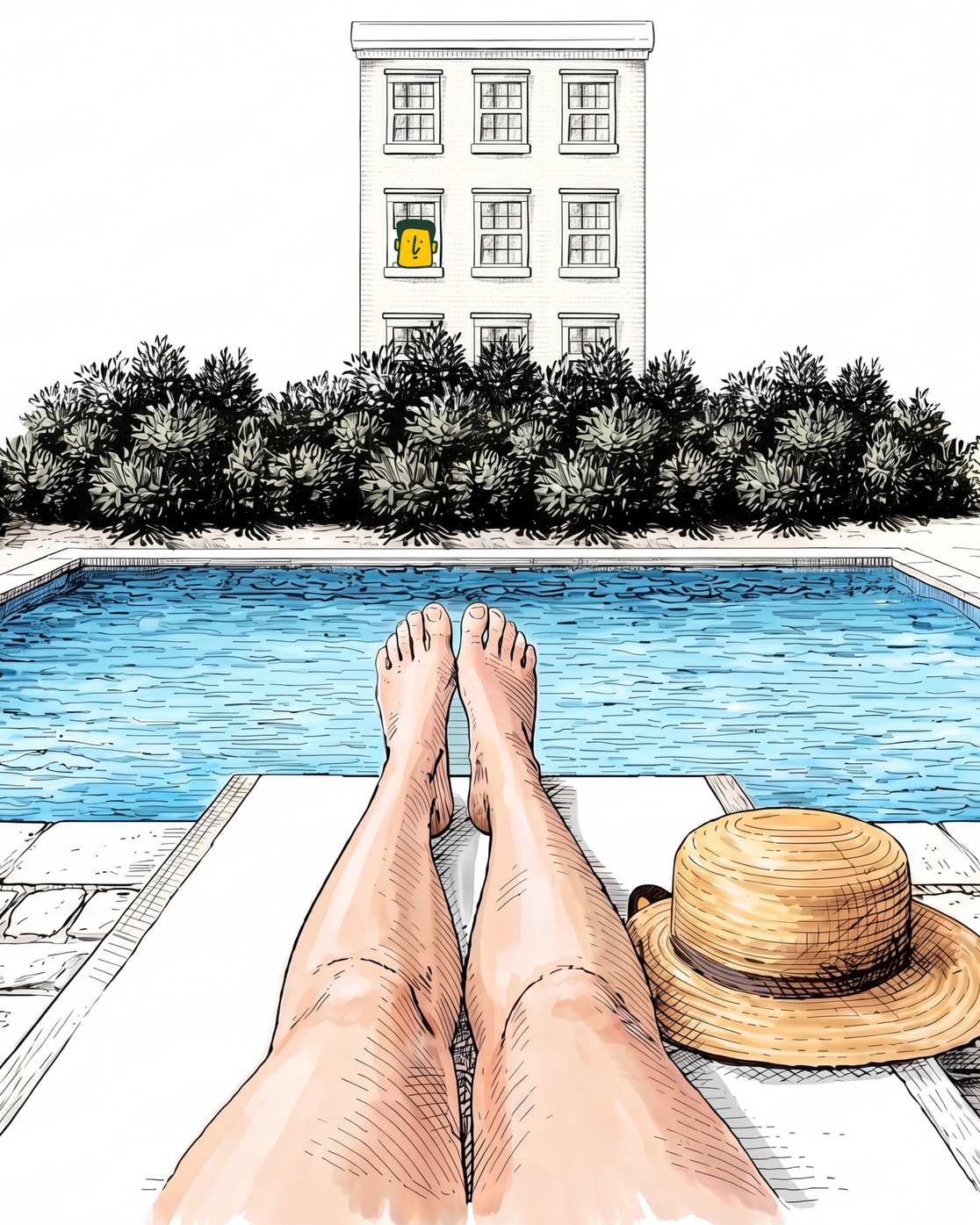
Your yard can look finished and still feel exposed.
A second-story deck looks into the patio. A neighboring window faces the pool. A camera reaches the hot tub. People walking past can see straight into the space where your family eats, plays, or relaxes.
The usual response is to start shopping.
A row of fast-growing evergreens. A taller fence. A privacy panel. More shrubs. Something large enough to make the problem disappear.
That is where expensive mistakes begin.
Backyard privacy does not come from putting something tall somewhere near the property line. It comes from blocking the right view, from the right location, with a solution the property can actually support.
Why Backyard Privacy Projects Go Wrong.
Most backyard privacy ideas begin with a product.
What should I plant?
How tall should the fence be?
Which privacy screen should I buy?
Those questions matter, but they come later.
A healthy hedge can still be too short. A tall fence can still sit below an elevated view. A beautiful planting can still overwhelm a narrow bed. A fast-growing screen can solve today’s problem and create years of pruning, crowding, and replacement work.
The material may be perfectly good.
The plan can still be wrong.
Before you plant, build, or buy, you need to understand exactly what is making the yard feel exposed and what the solution must accomplish.
Start With the View, Not the Product.
What part of the yard needs privacy most?
The patio, pool, hot tub, outdoor dining area, play space, or another part of the yard may matter more than the rest of the property.Where is the view coming from?
An upstairs deck creates a different problem than a ground-level window. A security camera creates a different problem than people walking along a sidewalk.How is that view affecting the space?
Are you moving furniture, avoiding the patio, keeping the pool covered, or changing when your family goes outside?Together, those answers define the real privacy problem. They identify the space that matters, the view creating the exposure, and what needs to change for the yard to feel usable again.
The goal is not to hide the entire property. It is to solve the view that is making an important part of the yard feel less private, less comfortable, or less usable. Once that is clear, you can choose a solution that fits the problem instead of asking a plant, fence, or panel to define it.
The Property Line Is Not Always the Best Place for Privacy.
Most people assume a privacy screen belongs along the property line.
Sometimes it does.
Sometimes that location forces the screen to become taller, longer, wider, or more expensive than the problem requires.
Placement changes what the screen has to do. A screen positioned closer to the patio may interrupt an elevated view more effectively than the same screen placed farther away. A small interruption placed directly in one viewing angle may outperform a long row installed by habit.
The best location is not the one that feels most traditional.
It is the one that solves the view without creating a larger project than the yard needs.
Match the Backyard Privacy Idea to the Problem.
Privacy From an Upstairs Neighbor
A second-story deck, balcony, or window creates an angled view into the yard.
This is why adding a taller fence at the property line does not always work. The view may pass over it. Better placement, a planted upper layer, or a combination of structure and planting may solve the problem more honestly than height alone.
Privacy From a Camera or Single Window
One fixed viewing angle usually calls for a precise response.
A compact planting, short panel, trellis, or targeted screen may be enough. The smaller the problem, the more important accurate placement becomes.
Do not build 40 feet of privacy for an 8-foot leak.
Privacy From a Ground-Level Neighbor
A neighboring patio, window, or driveway often creates one repeatable view.
This may not require a full perimeter screen. A shorter run placed where it actually interrupts the view can provide more privacy with less material and less impact on the rest of the yard.
Privacy From a Sidewalk or Street
Passersby create repeated exposure from changing positions.
Look for the openings where the patio or yard becomes clearly visible. Closing those openings with plants, panels, staggered screening, or a short return may work better than building one continuous wall along the entire edge.
Plants, Structure, or Both?
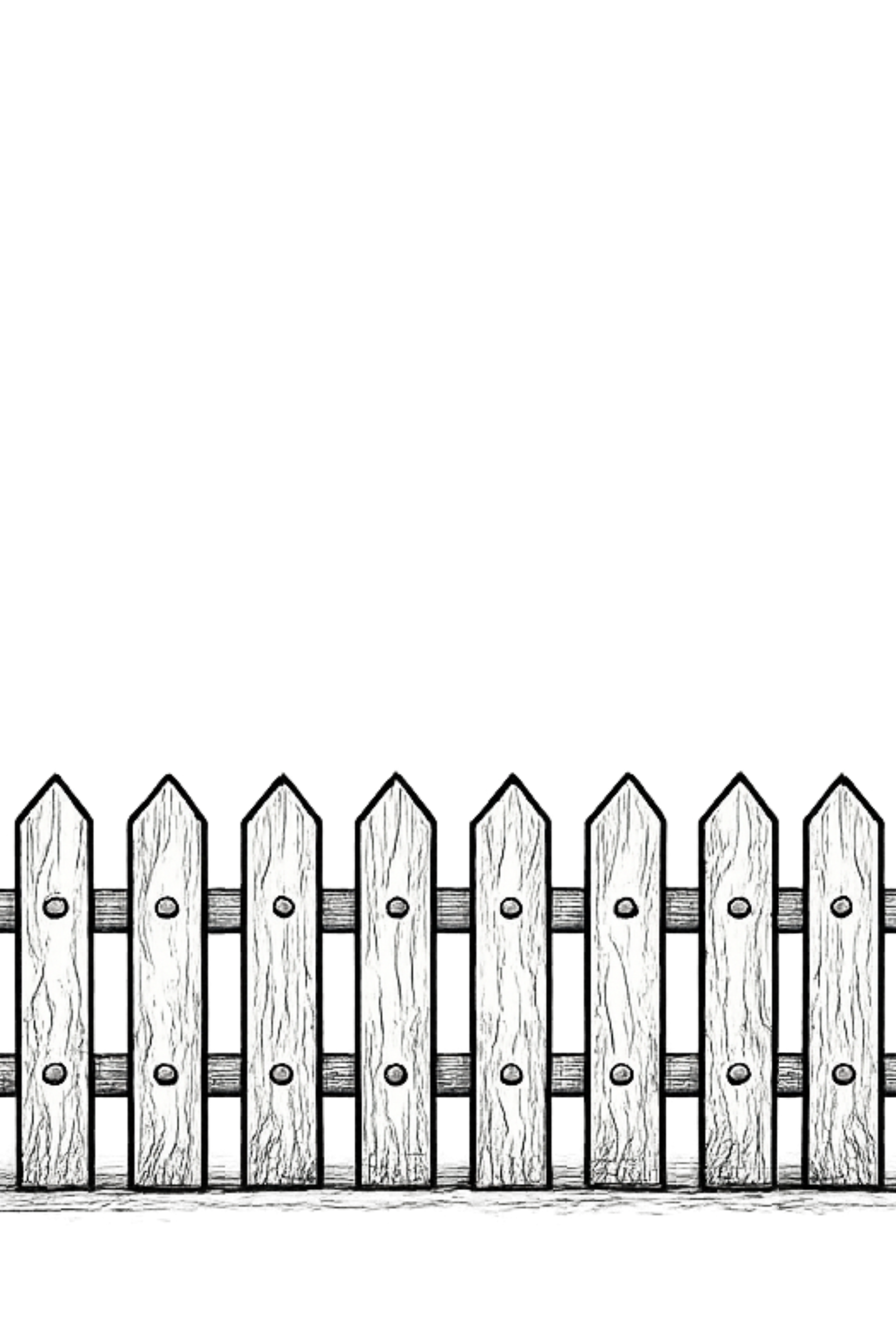
Backyard privacy can be created with plants, fences, panels, walls, trellises, or combinations of those materials.
The right choice depends on the property and the timeline
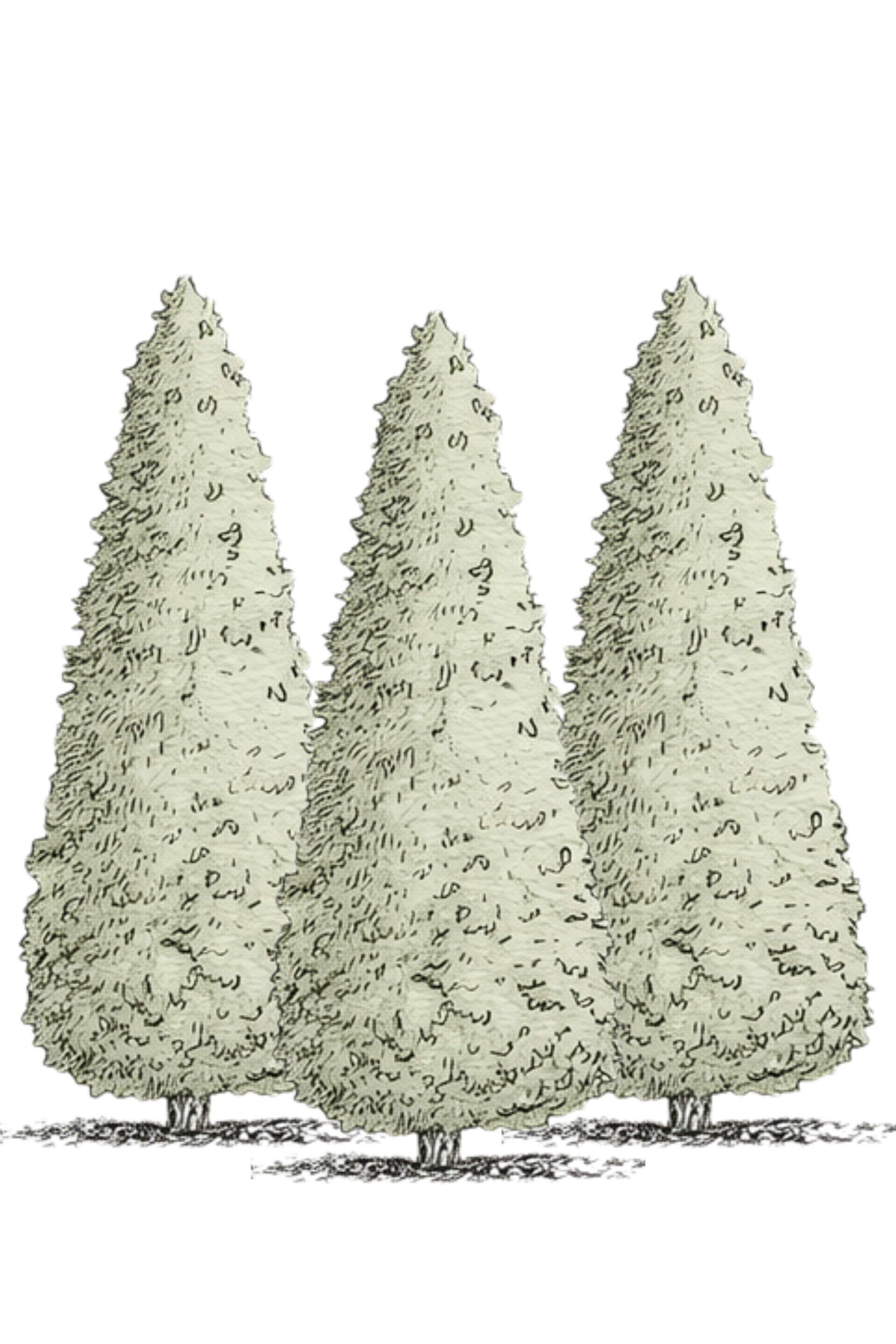
Plants can create a softer, more natural result. They can shape an outdoor room, reduce the visual presence of neighboring activity, and become part of the landscape over time.
They also need room, suitable growing conditions, establishment care, and ongoing maintenance.
Plants make the most sense when the site can support them and the privacy problem does not need to be solved immediately.
Plants
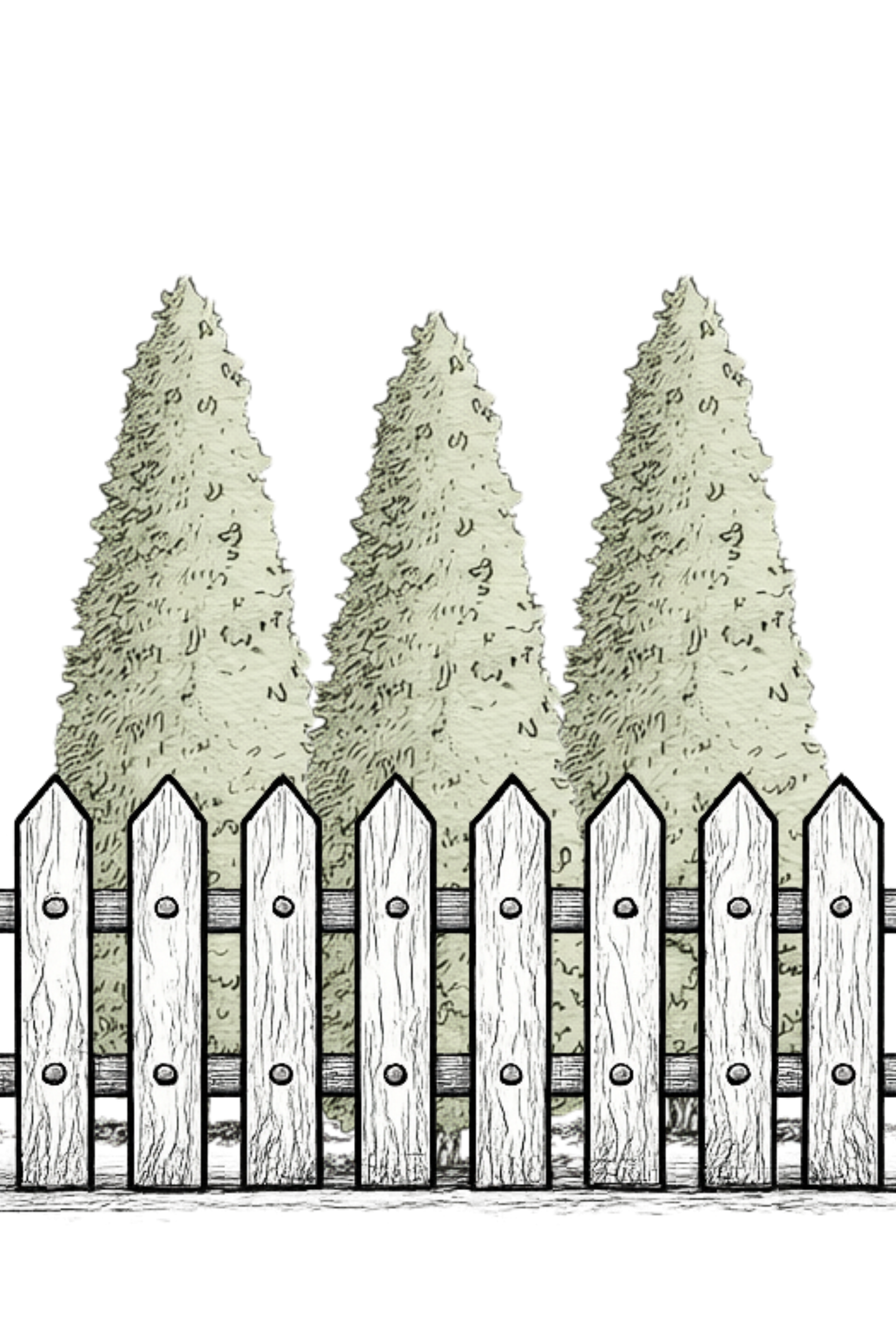
A fence, wall, or panel can provide privacy as soon as it is installed.
Structure often makes more sense when the space needs to function now, the planting conditions are difficult, or the available width is too limited for a dependable living screen.
A structural solution does not have to feel harsh. It can be softened, extended, or integrated with planting.
Structure
A combined approach can provide immediate baseline privacy while plants improve the result over time.
The structure solves the current exposure. The planting adds height, softness, texture, or long-term coverage.
This works best when each layer has a clear job.
Two incomplete layers do not automatically create one complete solution.
Plants and Structure
Check the Property Before Choosing Privacy Plants.
Available Width
A plant may fit when it is installed and become a permanent containment problem when it matures.
Measure the actual usable space. Account for fences, paths, utilities, drainage, neighboring property, and the room needed to reach the screen for maintenance.
Sun and Drainage
A bed that looks bright may receive very little direct sun. A low area may hold water long after the rest of the yard has drained.
Evaluate the full proposed screen area, not just its best section.
Existing Roots and Deer Pressure
Mature trees can create shade and heavy root competition at the same time. Deer may allow a plant to survive while repeatedly removing the density needed for privacy.
Survival is not the same as performance.
Rules and Restrictions
HOA rules, local codes, easements, property lines, utilities, and fence-height limits can all affect the plan.
Check them before materials are ordered.
Maintenance
Fast-growing privacy plants usually create faster maintenance.
Be honest about the work you are willing to repeat after the screen reaches size. The right privacy solution should still feel reasonable in Year 5, not just look promising on installation day.
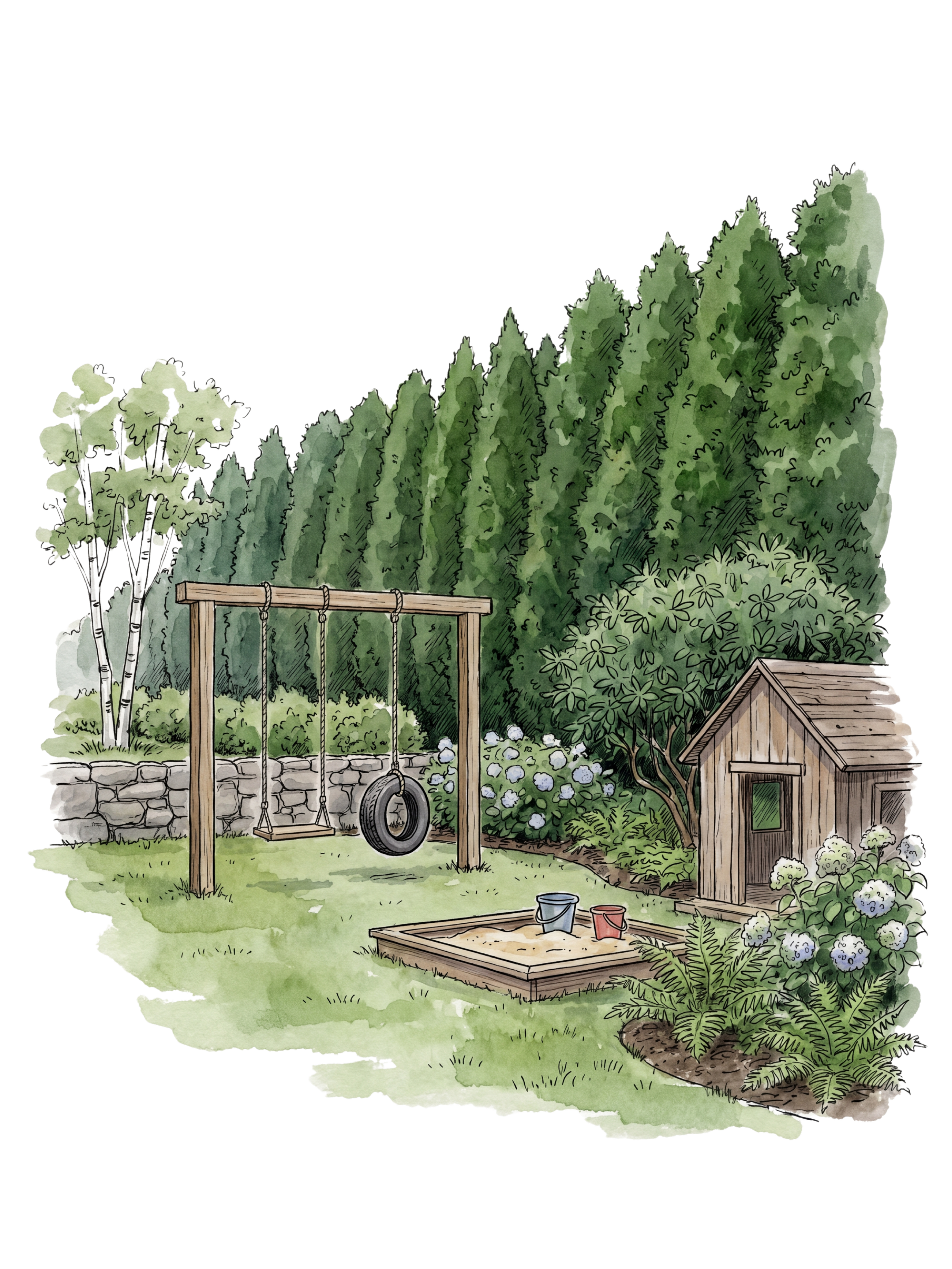
How to Make a Backyard More Private Without Overbuilding It.
Before spending money, be able to explain the plan in plain language:
This is the part of the yard that needs to feel private.
This is the view creating the problem.
This is where the screen could interrupt that view.
This is how soon the privacy needs to work.
This is what the property can realistically support.
This is the level of maintenance the finished screen can require.
This is why plants, structure, or a combination should carry the job.
You do not need every detail before exploring your options. You do need more than “we should plant something over there.”
Plan Your Backyard Privacy Before You Plant, Build, or Buy
This article can help you recognize why the obvious solution may not be the right one.
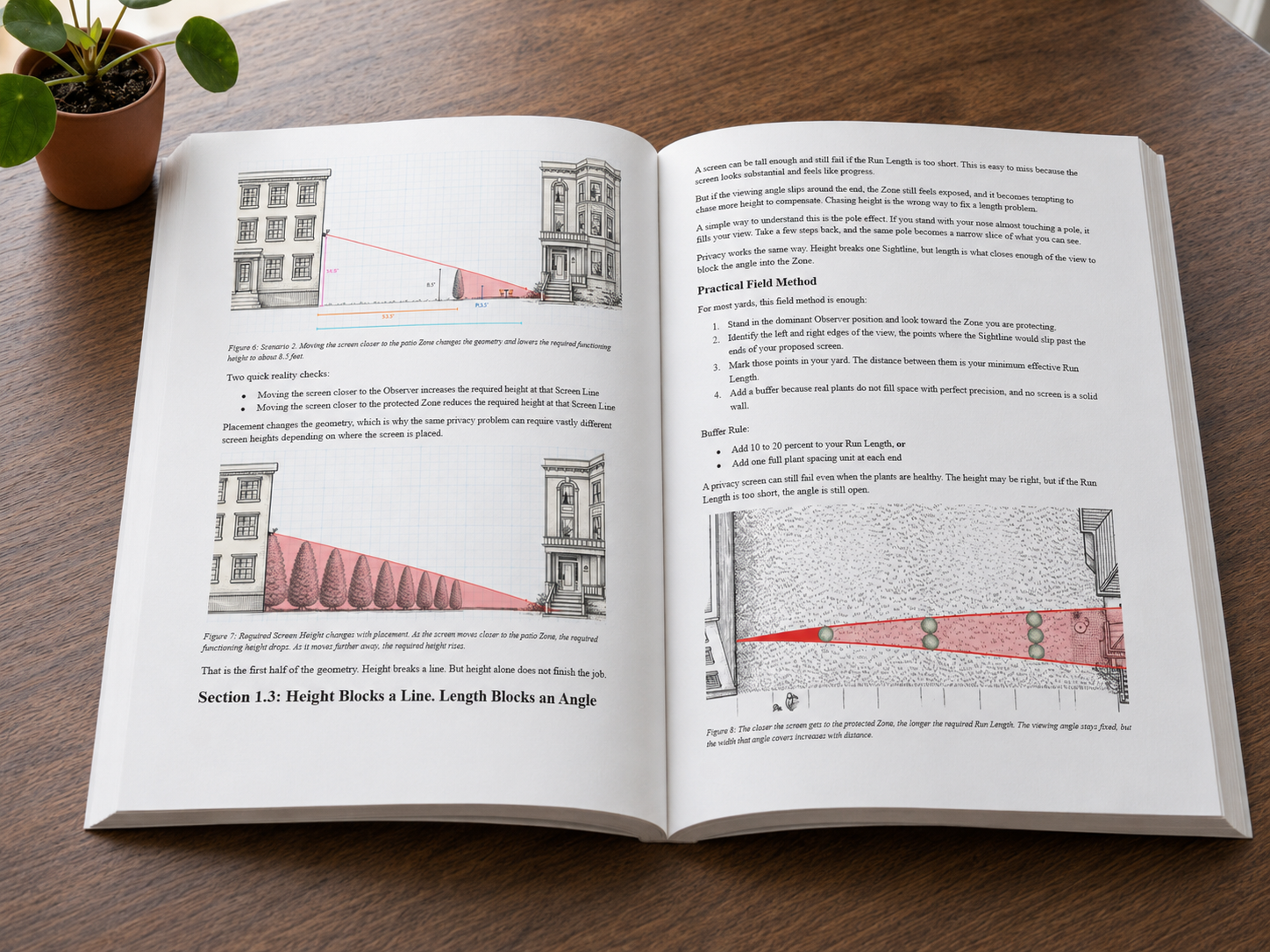
Privacy Without Regret helps you build the actual plan.
The printed Field Guide walks you through the complete decision system and gives you chapter worksheets for recording each decision as the project develops. It helps you move from a general feeling of exposure to a plan you can use when choosing plants, comparing structural options, speaking with a nursery or contractor, and preparing for installation.
It does not give every yard the same answer.
It gives you a way to find the answer your property can support.
Plan first. Buy once. Maintain honestly.
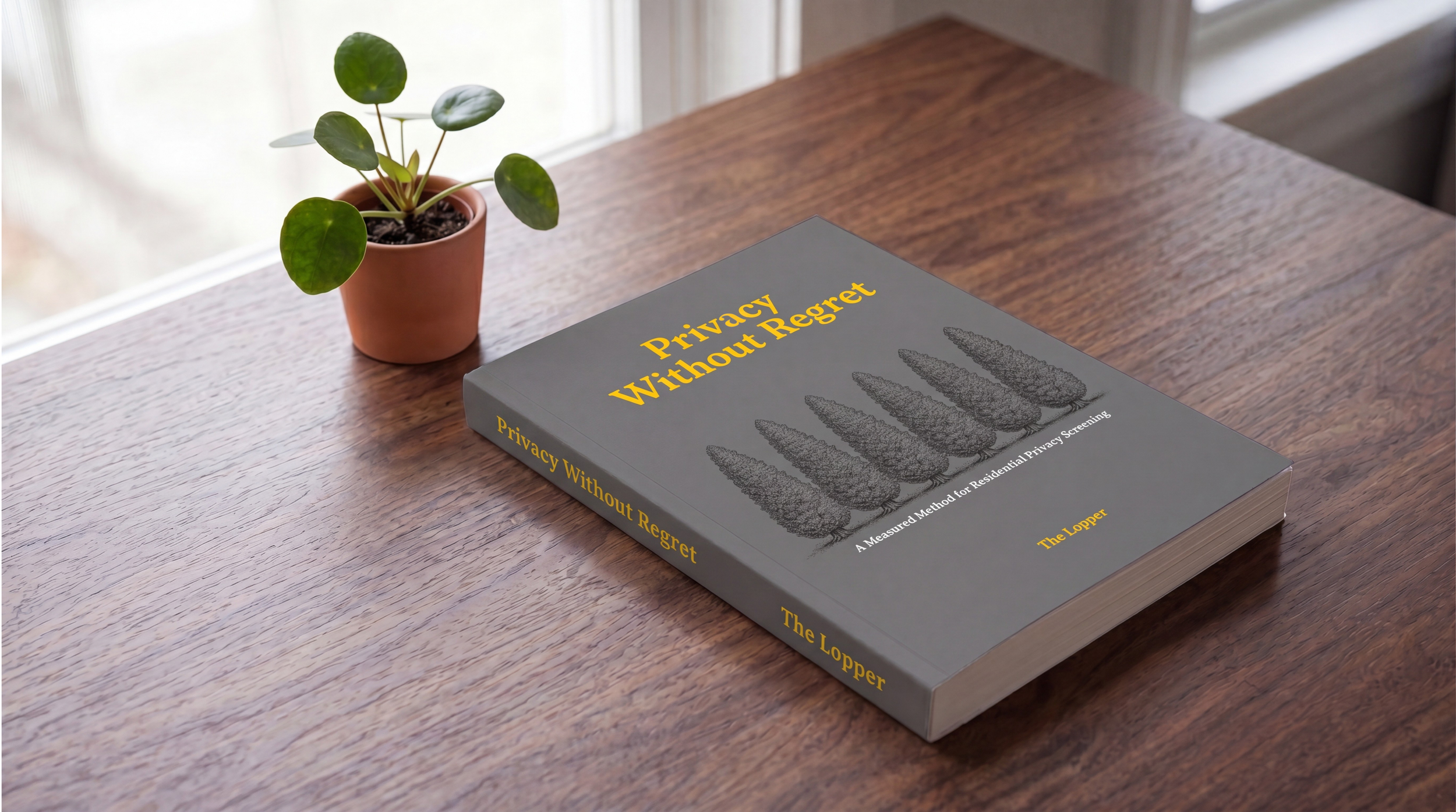
A Measured Method for Residential Privacy That Works
You Came Outside to Relax. Not to Feel Watched.
An upstairs deck now looks into the patio. A camera reaches the hot tub. A sidewalk view cuts across the pool. A neighbor’s window turns the outdoor table into a stage.
Nothing about the yard may have changed physically.
But the way your family uses it has.
Privacy Without Regret helps you solve that problem before you buy the hedge, fence, panel, plants, or labor. It gives you a clear way to understand the exposure, choose an approach your property can support, and build a privacy plan before the money is spent.
Plan first. Buy once. Maintain honestly.
Backyard Privacy FAQ’s
-
A structural screen usually provides privacy faster than plants because it works as soon as it is installed. Plants need time to establish and grow. A combined solution can provide immediate baseline privacy while planting improves the result over time.
-
There is no single best privacy plant. The right plant must fit the required height, available width, local climate, sun, drainage, deer pressure, timeline, and maintenance expectations.
A popular plant in the wrong location is still the wrong plant.
-
Do not treat an elevated view as a height problem alone. The angle and placement of the screen matter. A screen positioned closer to the area being protected may work more effectively than a taller screen placed at the property line.
-
Yes. Plants, trellises, panels, pergolas, container screens, and targeted screening can all create privacy without a conventional fence. The best option depends on the view, available space, timeline, and local rules.
-
Not automatically. The property line may be the right location, but it should not win by default. Depending on the view and the part of the yard you are protecting, a screen placed closer to the patio, pool, or seating area may solve the problem with less height, less material, or a shorter run. Choose the location that blocks the actual view and still fits the yard.
-
Usually not. Many properties have one dominant view or opening that creates most of the discomfort. Solving that exposure first may make the yard feel private without screening the full perimeter.
-
They can be, but speed has a cost. Fast growth often means more pruning, more width control, and a heavier long-term workload. Choose speed only when the available space and maintenance plan can support it.